Done Is Overrated: The Artists Who Refuse to Finish Their Work on Purpose
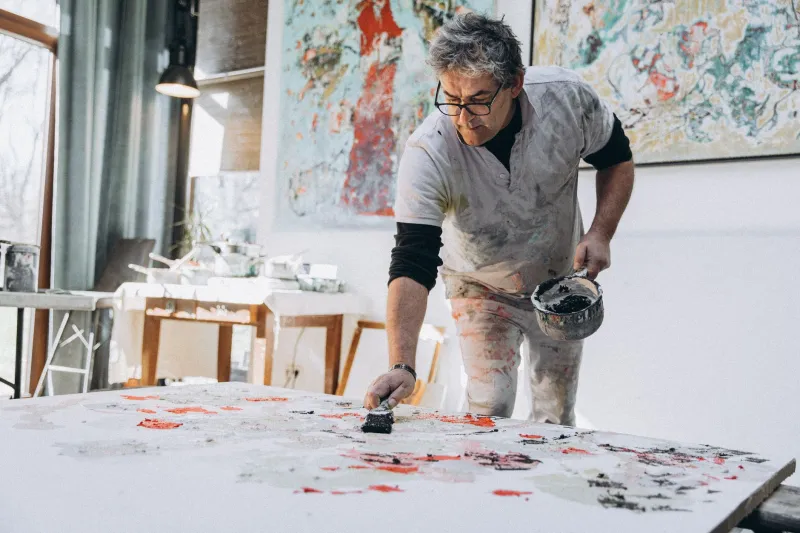
There's a particular kind of anxiety that lives in the art world, and it sounds like this: Is it done yet? Gallery deadlines, collector expectations, grant deliverables—the whole ecosystem seems engineered to push artists toward that tidy, frameable endpoint. But a growing contingent of contemporary makers is looking at the finish line and walking the other direction on purpose.
Welcome to the world of intentional incompletion. It's messier than it sounds, and honestly, way more interesting.
The Myth of the Masterpiece
We've been sold a story about art that goes something like this: artist struggles, artist suffers, artist produces a singular, finished, genius object. That object hangs on a wall or sits in a museum and means something forever. Clean. Resolved. Done.
But that story leaves out a lot. It leaves out the fact that Leonardo da Vinci never technically finished a huge chunk of his work. It leaves out the jazz tradition, where improvisation means a song is never the same twice. It leaves out the quilting circles, the communal murals, the folk art traditions where the whole point was that everyone got a hand in it and nobody got the final say.
What contemporary artists are doing now isn't new, exactly. But it's becoming louder, more intentional, and more politically charged than ever before.
Decay as Design
Take the growing movement around ephemeral installation art. Artists like Neri Oxman—before her transition away from academic work—and the broader community of bio-artists working in the US have been building pieces out of materials meant to fall apart. Mycelium structures. Ice sculptures in heated rooms. Paintings made with organic pigments that shift and fade over weeks.
This isn't accidental. It's a direct challenge to the art market's obsession with permanence and resale value. If your piece dissolves into the gallery floor by the end of the show's run, nobody can flip it at auction three years later. The work exists only in the moment of its being seen. That's the whole point.
For audiences used to snapping a photo and moving on, it demands something different. You have to be there. You have to pay attention now, because now is all there is.
The Living Work
Other artists are approaching incompletion not through decay but through perpetual evolution. Performance artists who return to the same piece year after year, adding to it, revising it, letting their changing lives reshape the work in real time. Think of it less like a painting and more like a diary that's always open.
New York-based performance artist communities have been doing this for decades—durational works that stretch across years, sometimes lifetimes. But what's shifting is the visibility. Social media has made it possible for an artist to document an evolving work in real time, inviting audiences into the process rather than just the product. The Instagram grid becomes a kind of living canvas. Each post is a brushstroke, and the composition never quite resolves.
There's something genuinely brave about that kind of exposure. You're not waiting until the thing is polished to show it. You're showing the mess, the reversals, the days when it looked terrible. That's a very different relationship with an audience than the traditional gallery reveal.
Collaboration Across Time
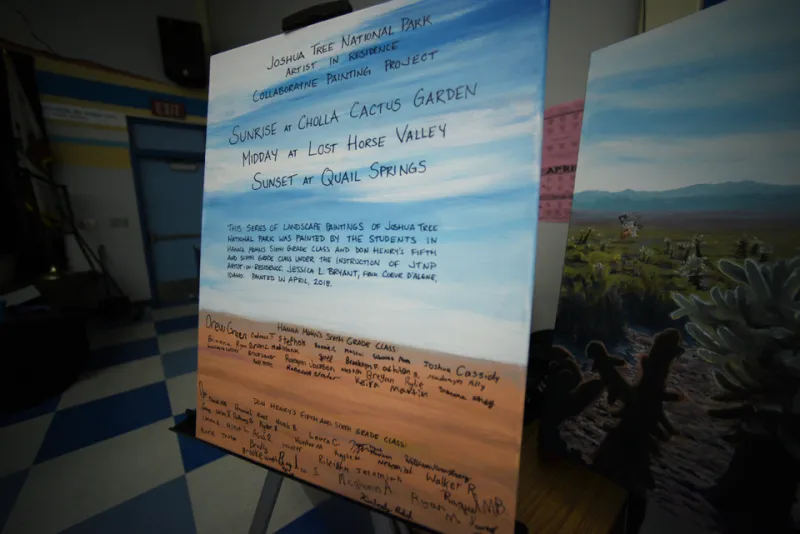
Then there are the projects designed from the start to outlast their creators. Community murals that include space for future artists to add to them. Conceptual works that come with instructions for continuation, passed down like a recipe. Art as inheritance.
This model asks a genuinely radical question: what if the goal of a creative work isn't to express one person's vision completely, but to hold space for many people's visions across time? What if authorship is a ladder that other people are supposed to climb after you?
In cities like Detroit, Philadelphia, and Los Angeles, community-based art organizations have been running multi-generational mural projects for years. Walls where a grandmother's brushstroke sits next to her granddaughter's. The work isn't finished. It's growing.
What Incompletion Does to Risk
Here's the thing that keeps coming up when you talk to artists who work this way: they take bigger swings.
When a piece has to be finished—when it has to be the thing—there's enormous pressure to play it safe. To make choices you can defend. To avoid the weird, the uncertain, the idea that might not work. Completion creates stakes that can quietly strangle experimentation.
But when the work is designed to remain open? When there's no final judgment coming? Artists describe a kind of freedom that's almost giddy. You can try the thing that might fail because failure isn't final. You can include the element you're not sure about because there's always room to revisit it. The work becomes a space to think rather than a statement to defend.
It's the difference between a conversation and a speech. Speeches are finished. Conversations keep going.
The Audience Becomes Part of It
There's also something happening on the receiving end of these works that's worth paying attention to. When a piece is perpetually unfinished, audiences stop being passive. They become witnesses to a process, sometimes participants in it. Their presence, their reactions, their documentation of the work—it all feeds back into what the piece becomes.
Some artists are formalizing this. Collaborative digital works where viewers can add elements. Installations that respond to the number of people in the room. Pieces that literally change based on audience input over the course of an exhibition.
This is uncomfortable for people who want to know what the art means in a fixed, authoritative way. But for a generation of audiences raised on interactive media, participatory culture, and the endless scroll, it might actually be the model that resonates most deeply.
Letting Go of the Ladder's Top Rung
There's a metaphor buried in all of this that feels pretty relevant to how a lot of artists are rethinking their careers right now. The traditional model says you climb the ladder, you reach the top, you plant your flag. You make the definitive work. You arrive.
But what if the ladder doesn't have a top rung? What if the climbing is the work?
The artists embracing intentional incompletion aren't failing to finish. They're redefining what finishing even means. They're saying that a work of art isn't a destination—it's a direction. And the most honest thing you can do as a maker is to keep moving in it, openly, imperfectly, and without pretending you've got it all figured out.
That's not a lack of ambition. That might actually be the most ambitious thing of all.